
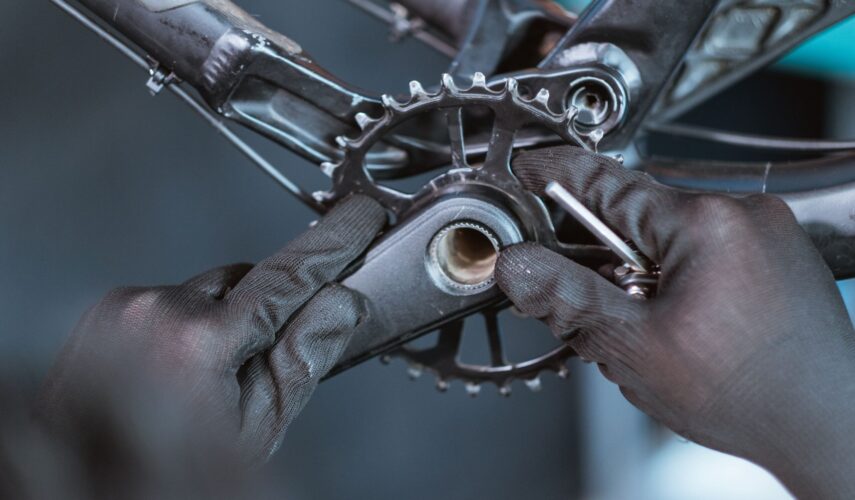

If you’ve started to hear a creak when pedalling or feel unusual movement in your crankset, your bottom bracket bearings might be due for replacement. Worn bearings can affect your bike’s performance and comfort, and if left too long, they can even cause long-term damage to your bottom bracket shell.
At Aire Velo Bearings, we supply a wide range of high-quality bottom bracket bearings for threaded and press-fit systems. In this guide, we’ll explain how to check for worn bearings, remove them safely, and fit replacements with the right tools and technique.
What Is a Bottom Bracket and Why Do the Bearings Matter?
The bottom bracket is the assembly that connects your crankset to the frame. It houses the spindle and allows your cranks to rotate smoothly under load. At the heart of the bottom bracket are the bearings, small but crucial components that take on the brunt of your pedalling force.
When these bearings wear out, your bike starts to lose efficiency. You’ll feel drag, hear noises, and notice movement that shouldn’t be there. Regular inspection and timely bottom bracket bearing replacement ensures smoother rides and protects your drivetrain.
How Can You Tell If Your Bottom Bracket Bearings Are Worn?
Some common signs that your bottom bracket bearings are worn out include:
- Creaking or clicking sounds when pedalling, especially under pressure
- Lateral play or movement in the cranks
- A gritty or rough sensation during rotation
- Visible dirt, rust, or water around the bearing seals
If you’re experiencing one or more of these symptoms, it’s time to remove and inspect your bearings. Replacing them early helps avoid unnecessary wear to your frame or crank arms.
Can You Replace Bearings in a Bottom Bracket?
Yes, but how you do it depends on the type of bottom bracket your bike has. Most modern systems fall into two categories:
- Threaded bottom brackets: These screw into the frame and usually have easily accessible bearing cups.
- Press-fit bottom brackets: The bearings or bearing cups are pressed directly into the frame.
In many cases, you can replace the bearings themselves without needing to change the full bottom bracket unit. However, some sealed units are non-serviceable and require full replacement. Always check your component’s specification before beginning the job.
What Tools Do You Need to Replace Bottom Bracket Bearings?
To replace your bottom bracket bearings, you’ll need the right tools for your frame and bottom bracket type. These usually include:
- Bottom bracket removal tool (specific to press-fit or threaded systems)
- Crank arm puller or hex key (depending on crankset style)
- Bearing press or installation tool
- Torque wrench (to tighten bolts to manufacturer settings)
- Grease or anti-seize compound for reassembly
- Cleaning cloths and degreaser to prepare the frame
Please Note: The correct tool will vary based on your bike’s system. If you’re unsure, check your bike manufacturer’s documentation or speak to our team for advice.
How to Remove Worn Bottom Bracket Bearings
- Remove the crankset: Loosen the crank bolts and slide out the crank arms. You may need a crank puller depending on your setup.
- Access the bearings: Use a bottom bracket tool to remove the bearing cups or press them out if using a press-fit system.
- Clean the shell: Wipe the bottom bracket shell clean with a cloth and degreaser. Inspect for damage, corrosion, or debris.
- Remove the bearings (if separate): For some threaded cups or press-fit sleeves, the bearings can be removed and replaced independently.
Take care not to damage the shell or threads. Avoid using excessive force and ensure the area is clean before moving on.
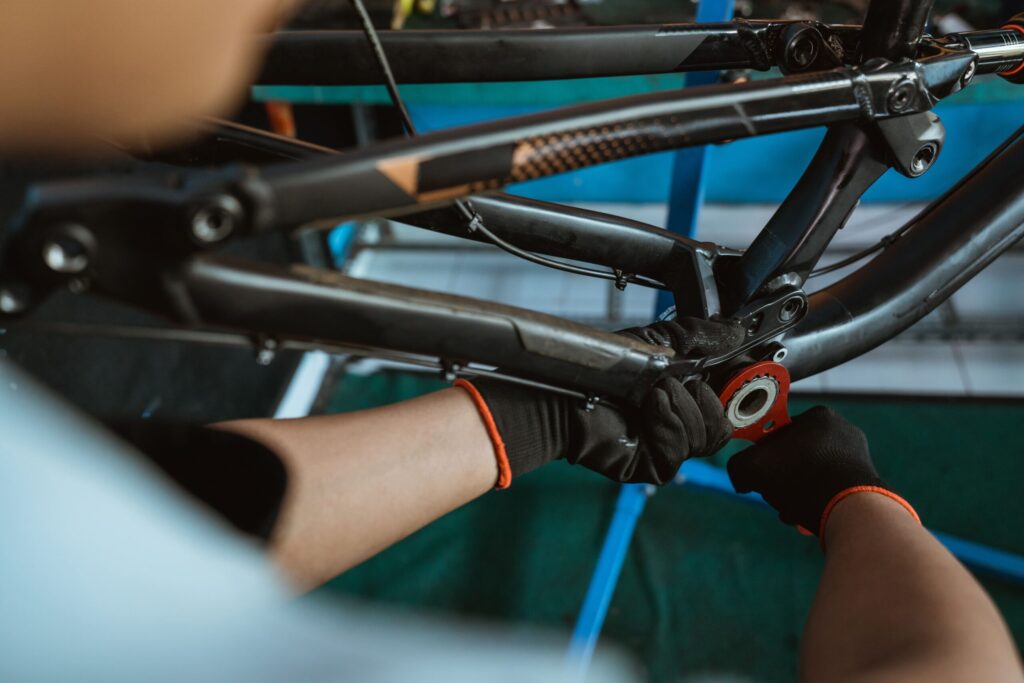
How to Install New Bottom Bracket Bearings
- Apply grease or anti-seize: Lightly coat the shell threads or bearing seats to prevent future corrosion and creaks.
- Install the new bearings: Use a bearing press or suitable tool to push the new bearings into place, ensuring they are seated evenly and fully.
- Reinstall the crankset: Fit the crank arms and spindle back through the bottom bracket. Tighten all bolts to the correct torque.
- Test rotation: Spin the cranks by hand. They should feel smooth and silent with no play or resistance.
If anything feels tight or misaligned, stop and check your work before riding.
Should You Grease Bottom Bracket Bearings?
Yes, applying a light layer of grease around the contact surfaces helps keep out moisture and prevents corrosion. However, sealed bottom bracket bearings come pre-lubricated internally, so there’s no need to add extra grease to the bearing races themselves.
Use only a small amount of grease or anti-seize compound where metal meets metal — particularly on the threads of a threaded bottom bracket or the interface of a press-fit bearing shell.
How Often Should You Replace Bottom Bracket Bearings?
There’s no single rule, but here’s a general guide:
- Road cyclists: Every 5,000 to 10,000 miles depending on usage and conditions
- Mountain bikers: More frequently due to dirt, grit, and water exposure
- Commuters: Replace as soon as signs of wear appear, especially if riding in wet weather
Regular cleaning, early detection, and good installation technique will extend the life of your bottom bracket bearings. Once you hear creaks or feel drag, it’s time to replace them.
Where Can You Buy Bottom Bracket Bearings?
At Aire Velo Bearings, we stock a wide selection of bottom bracket bearings, including:
- Press-fit and threaded styles
- Stainless steel and ceramic options
- Bearings from trusted brands like NSK and NTN
- Tools and accessories for bearing installation
All available with fast UK delivery and support when you need it.
Need Help with Sizing or Compatibility?
If you’re unsure which bearings your bike needs, we’re here to help. Contact us for expert advice on bearing type, size, and tool compatibility.
We also have guides on:
- How to measure bearings
- Tour de France 2024 highlights
These resources are packed with helpful information for cyclists at all levels.
Replace Your Bottom Bracket Bearings with Confidence
Replacing your bottom bracket bearings doesn’t have to be difficult. With the right tools, knowledge, and parts from Aire Velo Bearings, you can keep your bike running smoothly and avoid future problems. Shop Bottom Bracket Bearings from our collection, where you can also shop bottom bracket bearing kits. Or why not get in touch for expert help choosing the right replacement.
We’re here to support your ride, from tools and tutorials to top-quality bearings.
Related Articles
What is the Bottom Bracket on a Bike?
When to Replace Bottom Bracket Bearings