
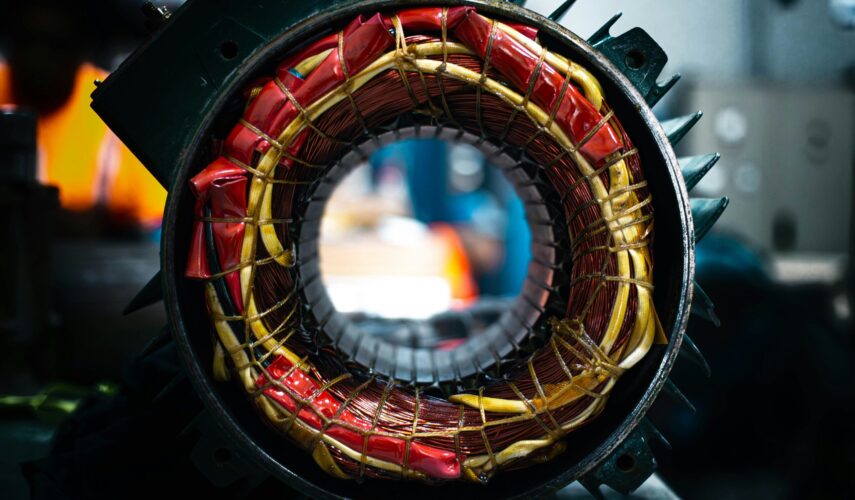

E-bikes have completely changed how people commute, tackle hills, and cover distance on two wheels — but the motor that makes it all possible depends on a handful of small, hard-working components most riders never think about: e-bike motor bearings. When they wear out, the symptoms can be subtle at first, easy to mistake for a battery issue or a software glitch, until the motor starts making noise it shouldn’t.
Here’s what these bearings actually do, why they wear faster than you might expect, and how to keep your motor running smoothly for longer.
What Do E-Bike Motor Bearings Actually Do?
Inside a mid-drive or hub motor, bearings support the rotating shaft and gears, keeping everything aligned while handling the combined load of your pedalling input and the motor’s own assistance. Unlike a standard bottom bracket, which only deals with pedalling force, a motor bearing also absorbs vibration, torque spikes, and — on systems like Bosch or similar mid-drive units — considerably higher rotational speeds inside a sealed, compact housing.
That combination of heat, load, and constant motion means motor bearings tend to see harder use than almost any other bearing on the bike.
Why E-Bike Motor Bearings Wear Faster Than You’d Think
A few factors make motor bearings more demanding to maintain than standard bike bearings:
- Higher torque loads — pedal-assist systems can multiply your input force significantly, and that extra torque passes straight through the internal bearings.
- Heat build-up — motors generate heat during use, and prolonged exposure can degrade grease and seals faster than in an unpowered component.
- Constant use — an e-bike motor is engaged for a much larger portion of every ride compared to, say, a headset, which only moves when you steer.
- Sealed, hard-to-inspect housings — because motor internals are tightly enclosed for weatherproofing, wear often goes unnoticed until it’s fairly advanced.
Signs Your Motor Bearings Might Be Wearing Out
Catching the early symptoms can save you from a much costlier motor rebuild or replacement down the line. Watch out for:
- A faint grinding, whirring, or rattling noise coming from the motor housing, particularly under load
- A noticeable drop in smoothness or an inconsistent feel to the pedal assist
- Vibration through the pedals or frame that wasn’t there before
- Unusual heat coming from the motor casing after a normal-length ride
If you notice any of these, it’s worth having the motor inspected before the bearing wear starts affecting the gears or motor shaft itself — a far more expensive repair.
Common Motor Bearing Applications
Different motor brands use bearings in slightly different configurations, but the same principles apply across most systems:
- Bosch motor bearings (Gen 2, Gen 3, Gen 4 systems) support the internal drive shaft and pedal spindle, and are a common wear point on higher-mileage e-bikes.
- Hub motor bearings sit within the wheel hub itself, supporting the motor casing as it rotates around the axle.
- Mid-drive motor bearings handle the combined load of chainring torque and motor assistance, often under the most demanding conditions of any bearing on the bike.
Choosing the Right Replacement
As with any bearing on your bike, getting an exact match matters. Motor bearings are precision components, and a slightly incorrect fit can cause premature failure or even damage to the motor housing itself. When sourcing a replacement:
- Confirm the exact motor model and generation (for example, Bosch Gen 2 vs Gen 4 use different bearing specifications)
- Match the bearing’s seal type to the original — motor bearings are often more heavily sealed than standard bike bearings to cope with heat and internal contaminants
- Consider a stainless steel option if you ride year-round in wet or salty conditions, as motor housings can be harder to strip and inspect regularly than a headset or hub
Looking After Your E-Bike Motor Bearings
A few simple habits go a long way:
- Keep the motor casing clean and dry, especially after wet or muddy rides
- Avoid pressure-washing directly at the motor housing, which can force water past the seals
- Listen for changes in sound or feel, and address them early rather than waiting for a full motor service
- Have the motor checked as part of your bike’s regular service schedule, particularly once it’s covered several thousand kilometres
Final Thoughts
E-bike motor bearings don’t get much attention until something goes wrong, but they’re working harder than almost any other bearing on your bike. Understanding what they do, recognising early warning signs, and sourcing the correct replacement when the time comes can add years to your motor’s life and save you from an expensive rebuild.
If you’re not sure which bearing your motor uses, get in touch with our team with your motor’s make and model — we’ll help you find the exact match.