
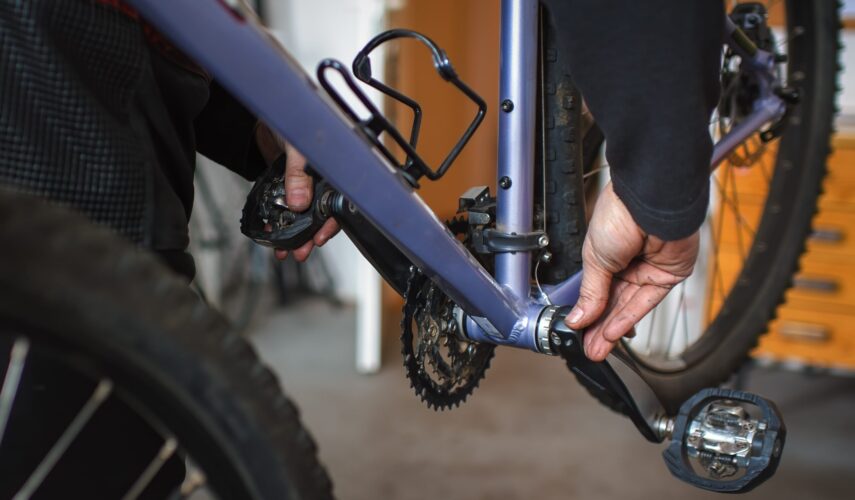

Strange noises when you pedal? Creaking from the crankset or a gritty feel as you ride? These are often early signs that your bottom bracket bearings are worn. Left too long, they can lead to serious drivetrain damage.
At Aire Velo Bearings, we supply precision bottom bracket bearings for road, MTB, gravel, and hybrid bikes. In this guide, you’ll learn the clear signs of wear, the causes of bearing failure, and how to decide when it’s time to replace them.
Why Are Bottom Bracket Bearings So Important?
Your bottom bracket is the central link between your cranks and your frame. Inside that assembly are bearings that allow your crankset to spin smoothly with every pedal stroke. When those bearings wear out, you’ll feel it, through resistance, noise, or crank movement.
Timely replacement keeps your ride smooth, protects your frame, and ensures your energy transfers efficiently to the wheels.
How Do You Know If Your Bottom Bracket Bearings Are Bad?
Bearings often degrade slowly, but the symptoms become more obvious over time. Here’s what to look out for:
Common Signs of Worn Bottom Bracket Bearings:
- Creaking or clicking noises from the crank area
- Movement or “play” in the crank arms
- A gritty, rough or uneven pedalling sensation
- Visible moisture, rust, or dirt near the bottom bracket
- More pedal resistance than usual, especially under load
If any of these are present, there’s a high chance your bottom bracket bearings are worn or contaminated. Continuing to ride without replacement can result in damage to the crankset or frame shell.
What Causes Bottom Bracket Bearings to Wear Out?
Even with the best setup, all bearings have a finite lifespan. The speed of wear depends on how and where you ride.
Key factors include:
- Water ingress from riding in rain or pressure washing the bike
- Dirt and grit entering through weakened seals
- Incorrect installation or poor torque settings
- Lack of lubrication or maintenance (in serviceable systems)
- Substandard or incompatible bearing materials
Regularly checking and keeping your crank area clean can extend the life of your bottom bracket, but eventually, replacement becomes necessary.
How Long Should Bottom Bracket Bearings Last?
There’s no universal answer, but most cyclists can expect the following:
- Road cyclists: 5,000–10,000 miles in clean conditions
- Gravel and MTB riders: 3,000–6,000 miles depending on terrain and weather
- Commuters: highly variable; inspect regularly if riding in all conditions
Bearings in muddy or wet environments tend to wear much faster. And sealed cartridge bearings, while convenient, can’t be serviced, they must be replaced when worn.
Should You Replace or Regrease Your Bottom Bracket Bearings?
This depends on whether your bottom bracket system is serviceable.
- Sealed cartridge bearings (common in modern bikes) cannot be opened or regreased. These should be replaced entirely once worn.
- Serviceable bottom brackets (usually older square taper or cup-and-cone types) can sometimes be regreased, but only if the races and balls are in good condition.
When replacement is the better choice:
- The bearings feel rough or make noise after cleaning
- You notice play in the crank arms
- The crankset spins unevenly or stiffly
- There is visible corrosion or pitting
Attempting to regrease sealed units will not fix worn races or restore performance — you’ll simply delay the inevitable.
Could It Be Something Else?
Yes, creaking or resistance isn’t always caused by the bottom bracket. Before replacing your bearings, rule out other possibilities:
- Loose crank bolts or incorrectly torqued crank arms
- Worn pedals or pedal threads
- Loose or dry chainring bolts
- Noise from the seatpost or saddle rails
- Dry headset bearings or rear suspension pivots (on full-suspension bikes)
Still unsure? Our team can help you identify the source. Contact us here if you’re not sure whether it’s time to replace your bottom bracket bearings.
What Happens If You Ignore Worn Bearings?
Delaying replacement can lead to:
- Ovalisation or damage to your frame’s bottom bracket shell
- Reduced power transfer and riding efficiency
- Accelerated wear to the crank axle and spindle interface
- Complete bearing failure during a ride
By replacing bottom bracket bearings before failure, you protect more expensive components and avoid downtime.
Ready to Ride Smoother? Replace Your Bottom Bracket Bearings Today
Bottom bracket issues can start small, a quiet creak, a slight resistance, but they never fix themselves. Replacing worn bearings early keeps your drivetrain protected, your pedalling efficient, and your rides enjoyable.
At Aire Velo Bearings, we make it easy to find the exact bottom bracket bearings you need. Whether you’re replacing a press-fit setup or upgrading to smoother ceramic options, our range is ready to dispatch with fast UK delivery.
Shop Bottom Bracket Bearings online now, and explore bottom bracket bearing kits also on offer.
Related Articles
Need to learn more? We’ve written a range of practical guides for home mechanics and regular riders, including:
- What Is the Bottom Bracket on a Bike?
- How to Replace Bottom Bracket Bearings