
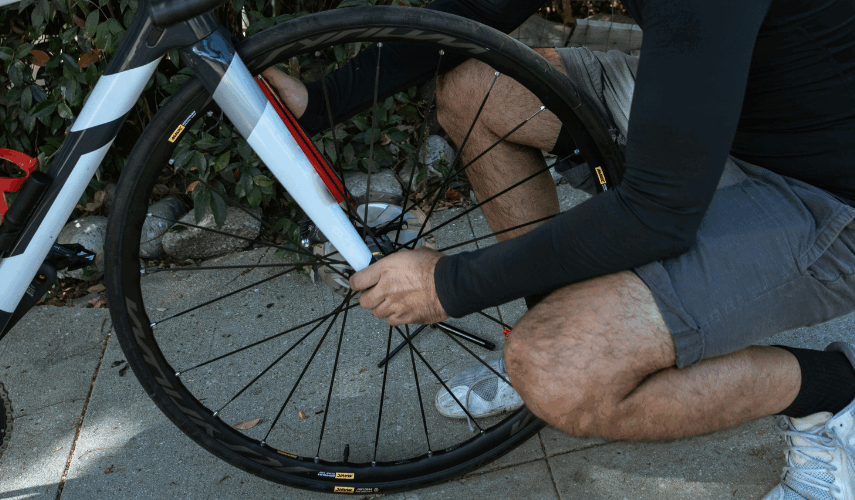

If you’ve ever serviced your own wheels or just wondered what keeps them spinning smoothly, you’ve probably asked: how many bearings are in a bike wheel? The answer depends on the type of hub your bike uses. Whether you’re riding with a traditional cup-and-cone setup or modern cartridge bearings, this guide will walk you through everything you need to know.
What Type of Bearings Are Used in Bike Wheels?
There are two main types of bearings found in bike wheels:
- Cup-and-cone bearings – These use loose ball bearings that sit between a cup (in the hub shell) and a cone (threaded onto the axle). This design is common on Shimano hubs and many serviceable road or MTB wheels.
- Cartridge bearings – These are sealed units containing both balls and races in a single casing. Found on many modern hubs, especially high-end or sealed systems.
Both designs serve the same purpose: to allow your wheel to rotate around the axle with minimal friction. But the number and size of bearings varies.
How Many Bearings Are in a Front Bike Wheel Hub?
In traditional cup-and-cone hubs, the front wheel typically contains:
- 9 x 1/4″ ball bearings per side, for a total of 18 bearings.
These sit inside the hub shell on either side of the axle and are spaced evenly using grease.
In sealed cartridge hubs, the front wheel usually contains:
- 1 cartridge bearing per side, or a double-row bearing depending on the brand and hub design.
Brands like Enduro, Hope, and Novatec may use different cartridge sizes, so it’s worth checking the part number stamped on the bearing if you’re replacing them.
How Many Bearings Are in a Rear Bike Wheel Hub?
Rear hubs can vary more depending on whether they include a freehub body or cassette. In a cup-and-cone rear hub, the typical setup includes:
- 9 or 10 ball bearings per side – usually 1/4″ on the non-drive side and sometimes 3/16″ on the drive side.
This gives a total of 18 to 20 ball bearings inside the rear hub shell.
In a sealed bearing rear hub, expect:
- 2 cartridge bearings inside the hub shell
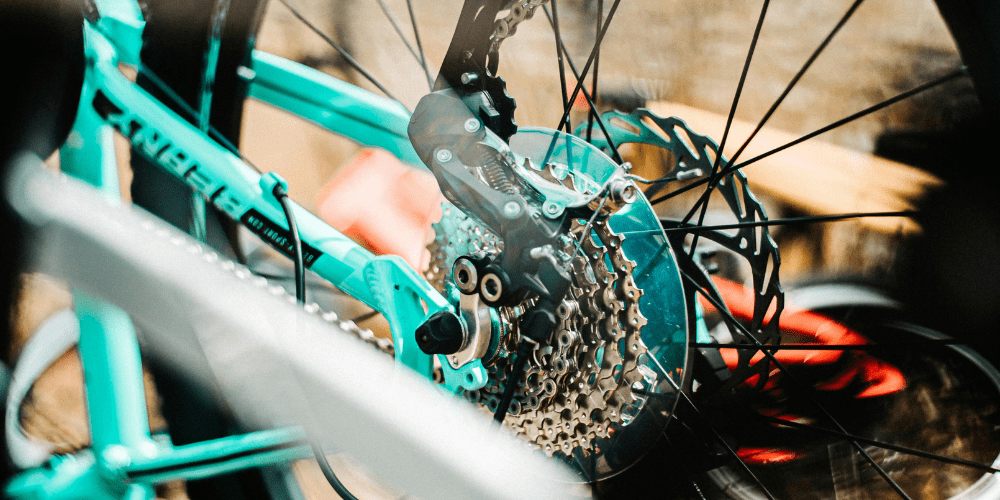
- 2 additional cartridge bearings in the freehub body
Some rear hubs may include additional smaller bearings inside the freehub, especially if it’s a ratchet or pawl system.
How Do I Know What Bearings My Wheel Uses?
The easiest way to tell is by removing the axle and checking:
- Cup-and-cone hubs will have loose bearings and cone nuts
- Cartridge hubs will have pressed-in sealed bearings, often with visible seals
If you’re unsure, check your hub manufacturer’s specifications or contact our team. You can also refer to our guide on how to measure your bearings for more help.
What Size Bearings Are Commonly Used?
The most common ball bearing sizes in loose bearing hubs are:
- 1/4 inch (6.35mm) – front and rear
- 3/16 inch (4.76mm) – sometimes on the drive side rear
For cartridge bearings, common codes include:
- 6902 (15x28x7mm)
- 6803 (17x26x5mm)
These are measured by inner diameter × outer diameter × width.
To view replacement bearing balls in stainless steel or ceramic, visit our Steel and Ceramic Balls collection.
Should You Replace the Bearings or the Entire Hub?
If your bearings feel rough but the races are smooth and intact, replacing just the bearings is often enough. However, if there’s pitting in the races or visible damage inside the hub shell, a full hub replacement or cartridge unit is usually the better option.
Upgrading to stainless steel or ceramic bearings can also improve durability, reduce friction, and extend service intervals.
For more upgrade options, check our full hub and bottom bracket bearings category.
Bearing Counts by Hub Type
To summarise:
- Front cup-and-cone hub: 18 ball bearings (9 per side)
- Rear cup-and-cone hub: 18–20 ball bearings
- Sealed hub (front or rear): 2 to 4 cartridge bearings
The actual number will depend on your hub design, brand, and bearing size. If you need help identifying what’s in your wheels, we’re here to support you.
Need replacement hub bearings? Shop now at Aire Velo Bearings or contact us with your hub details and we’ll help you find the right fit.